Burundi at BRICS: What Comes Next?
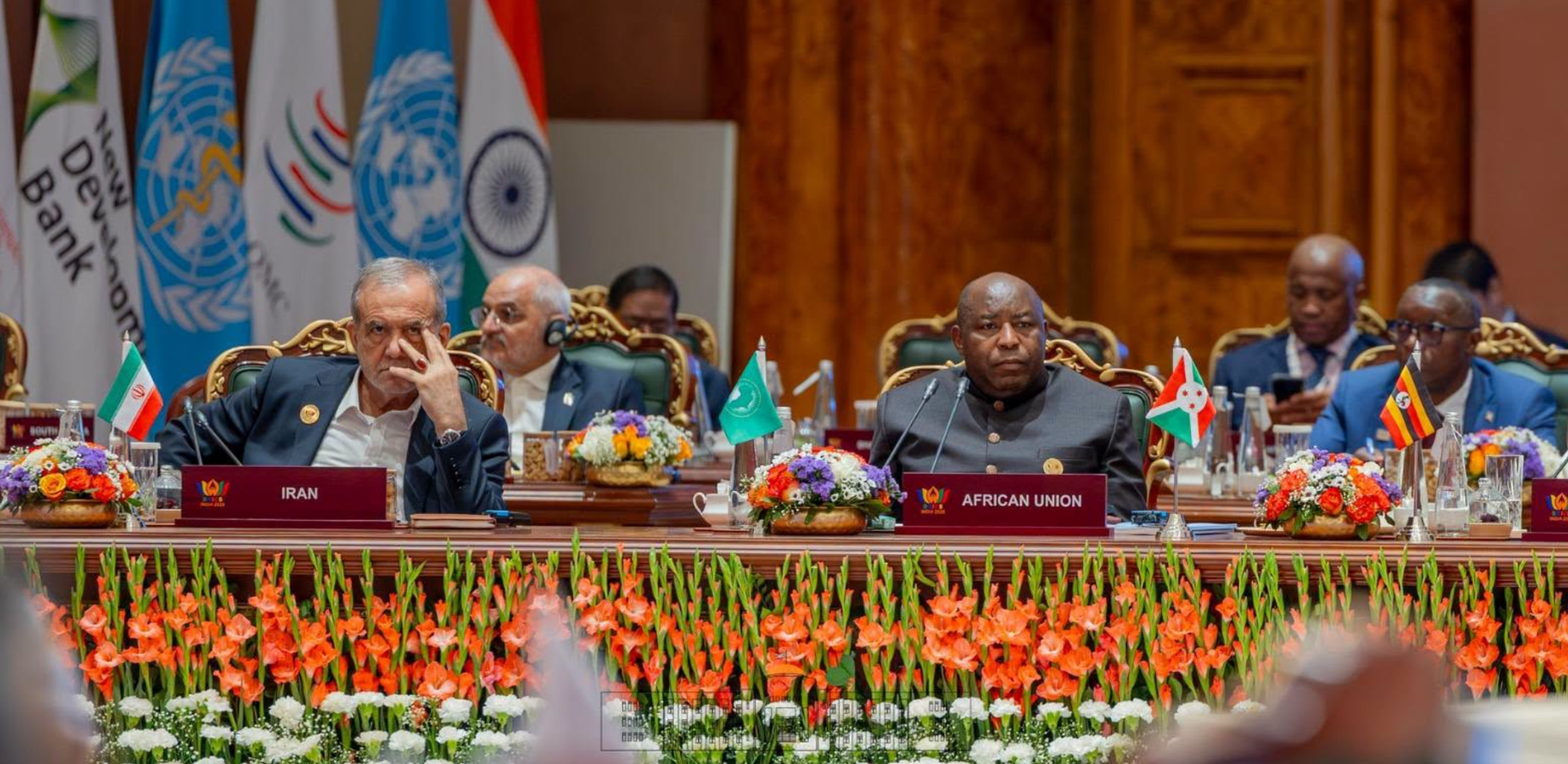
President Évariste Ndayishimiye attended the 18th BRICS Summit in New Delhi, India, where he participated as President of Burundi and current chairperson of the African Union.
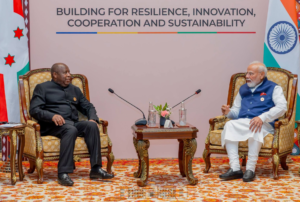
During the summit, he met with Indian Prime Minister Narendra Modi to discuss stronger cooperation between Burundi and India.
But beyond the summit and high-level meetings, what could Burundi actually gain?
What happened?
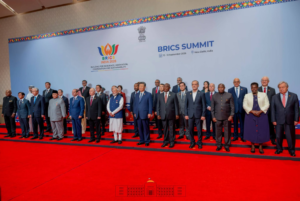
The 18th BRICS Summit brought together BRICS leaders and invited partners to discuss economic cooperation, development and other global issues.
On September 13, President Ndayishimiye met Prime Minister Modi on the sidelines of the summit.
Their discussions focused on strengthening relations between Burundi and India and identifying areas where the two countries could work more closely together.
What did Burundi and India discuss?
The discussions included agriculture, healthcare, skills and training, clean energy, economic cooperation and capacity building.
For Burundi, these areas could have practical importance.
Agricultural cooperation, for example, could support better farming methods, technology and technical knowledge. Skills and capacity-building programs could create more training opportunities for students, young professionals and public administration staff.
Cooperation in healthcare and clean energy could also bring additional expertise and development partnerships.
Is Burundi joining BRICS?
No. Burundi is not a BRICS member.
President Ndayishimiye’s participation in the summit does not mean Burundi has joined BRICS.
He attended while serving as chairperson of the African Union, giving him a role in representing broader African interests in discussions with BRICS countries.
What could this mean for Burundi?
The meeting gives Burundi an opportunity to build a stronger relationship with India in sectors connected to the country’s development.
If the discussions lead to concrete agreements, Burundi could potentially benefit from agricultural modernization, professional and technical training, healthcare cooperation, clean-energy projects and investment.
The two sides also discussed the transformation and value addition of Burundi’s natural resources. That could become important if future partnerships help Burundi process more of its resources locally rather than exporting them mainly as raw materials.
However, discussions are not the same as confirmed projects.
No major new investment amount or specific project timeline was announced from the meeting. For now, these should be viewed as potential areas of cooperation.
What should Burundians watch next?
The important question is what happens after the summit.
Burundians can watch for concrete announcements such as scholarships and training programs, agricultural projects, energy investments, healthcare partnerships, financing agreements or new private-sector investment.
Those developments will show whether the discussions in New Delhi translate into tangible opportunities for Burundi.
The summit opened the conversation. What comes next will determine what it actually means for Burundi.